
You may be wondering how long alcohol stays in your system, especially if you have a test coming up or are just curious about it. Maybe you drink occasionally or have struggled with alcohol in the past. You might feel unsure how your drinking affects your body and how long it can be detected. It can be stressful to think about how alcohol is processed and how tests might reveal your use. Even if you are committed to addiction recovery, understanding detection times can help you stay informed and prepared.
This blog will answer common questions about alcohol in urine and how long it can be detected. We will explain what an alcohol urine test is, what it is used for, and the factors that influence how long alcohol stays in your system. You will also learn the differences between standard urine tests and advanced tests.
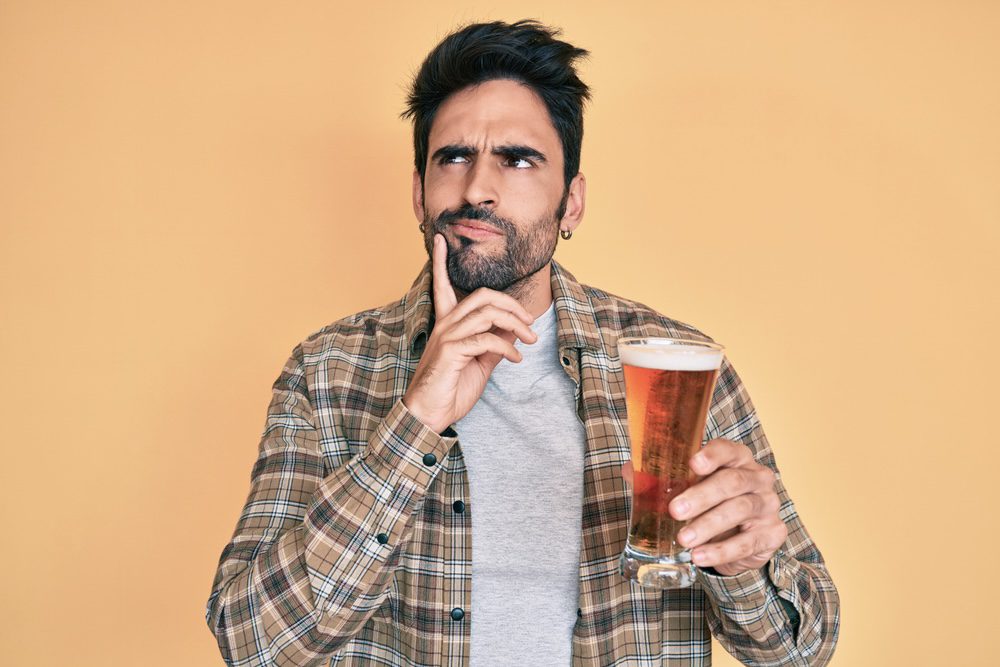
What is an Alcohol Urine Test?
An alcohol urine test checks your urine for the presence of alcohol or its byproducts. It can show if you have consumed alcohol recently. Tests are usually simple and non-invasive. A urine sample is collected and analyzed in a lab or with a rapid testing device.
There are two main types of urine tests. Standard tests look for ethanol, which is the alcohol in beverages. Advanced tests, like EtG (ethyl glucuronide) or EtS (ethyl sulfate) tests, detect alcohol metabolites that remain in your body longer. Both types provide information on your recent alcohol use, but detection times vary depending on the type of test and other factors.
What is an Alcohol Urine Test Used For?
Alcohol urine tests are used for several purposes. Employers may require them for workplace screening. Courts and probation programs also use them to monitor abstinence. Medical professionals may order tests to check on liver function or confirm alcohol intake in certain situations.
These tests are also helpful for people in addiction recovery. They provide objective evidence of alcohol use, which can support treatment plans. Testing can motivate you to stay sober and help clinicians track your progress. Knowing the purpose of these tests can help reduce anxiety and help you understand why monitoring is important for health and accountability.
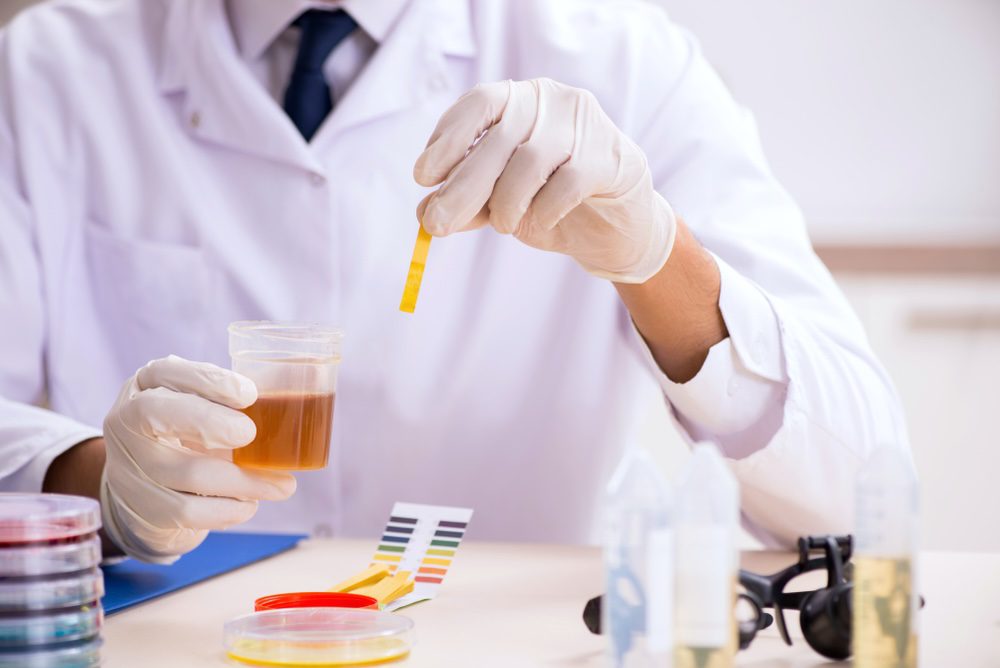
How Long Does Alcohol Stay in Urine?
The detection window for alcohol depends on the type of urine test. Standard urine tests for ethanol usually detect alcohol for 12 to 24 hours after moderate drinking. After heavier drinking or slower metabolism, alcohol may be detectable for up to 80 hours or three days.
Advanced tests like EtG or EtS detect alcohol metabolites longer. For heavier episodes, EtG/EtS tests can show alcohol use for 3 to 5 days. In some cases, detection can extend to 72 to 120 hours or more, making these tests ideal for monitoring abstinence. Factors like the amount and frequency of drinking, metabolism, body composition, and type of test all influence how long alcohol remains detectable.
Alcohol Rehab in Redlands CA
Alcohol can be detected in urine for hours to several days, depending on the test, your drinking habits, and your body. Understanding these factors can help you make informed choices and support your journey in addiction recovery. Knowing detection times can also help reduce anxiety and encourage responsible alcohol use or abstinence.
If you or a loved one is struggling with alcohol, professional help is available. Liberty House Recovery offers comprehensive alcohol abuse treatment in Redlands, CA. Our team provides personalized care, therapy, and support to help build healthier habits and maintain long-term sobriety.