Our outcomes report reflects the real progress made by the individuals we serve — not just in numbers, but in their lives. Through evidence-based care and compassionate support, Liberty House helps people rebuild with strength and purpose.
“Staff and everyone I met was caring and supportive. Thank you, Liberty House, for helping me change my life and opening up my eyes. I get a 2nd chance at a sober and positive life.”
“Best facility I have ever been a client of. The staff is just exceptional in making you feel welcome; Groups are great and keep you interested in your recovery.”
“So incredibly grateful to be here, grateful for genuine, caring & loving staff. Also extremely thankful to be feeling more safe & more calm than I’ve felt in a long time. Feels good not to do it alone again.”
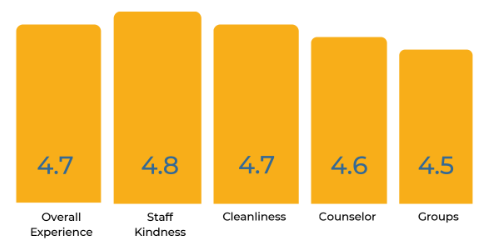
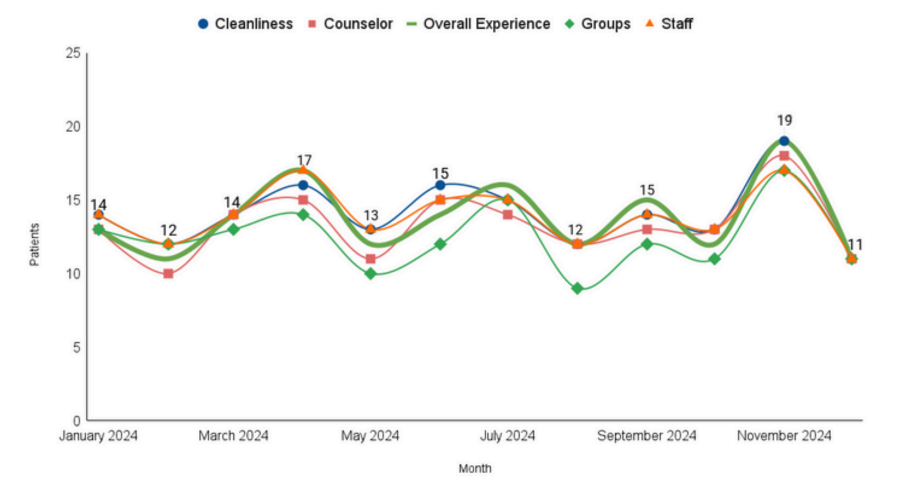
The patient satisfaction survey is rated on a 1-5 scale (1-Extremely Dissatisfied, 5- Extremely Satisfied). The categories measured are: Cleanliness of Facility, Treatment Groups, Treatment Counselors, Staff Kindness and Overall Experience.
Organizational Average = 4.7/5
Number of satisfaction surveys = 191 Number of clients = 83 Female = 23 Male = 60
Graph shows patients who scored 4 or 5 in each Satisfaction Survey category.
Key Findings
The findings suggest that Liberty House environment, clinical services and staff professionalism offer a patient experience that is conducive to long-term recovery.
Exceptional Patient Outcomes
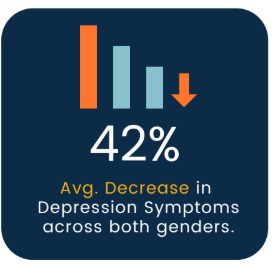
Through routine behavioral health screening and use of that data in clinical intervention for measurement-informed care, Liberty House is moving the needle on overall outcomes. Clinical outcomes for these months reveal the positive impact treatment programs are having for patients. Considering the patient population as a whole, notable outcomes include a 60% decrease in depression and 49% decrease in the anxiety, and an impressive 82% decrease in cravings! Liberty House patients also reported better outcomes compared to ERP National averages with 44% improvement in quality of life outcomes.
Male KPIs
0%
Decrease in Depression
0%
Decrease in Anxiety
0%
Decrease in Cravings
0%
Decrease in Stress
Female KPIs
0%
Decrease in Depression
0%
Decrease in Anxiety
0%
Decrease in Cravings
0%
Decrease in Stress
Total Patients
0%
Decrease in Depression
0%
Decrease in Anxiety
0%
Decrease in Cravings
0%
Decrease in Stress
We're Available For You 24/7
Call us any time, any day, to speak with an addiction specialist and learn about our drug and alcohol addiction treatment center in Redlands in San Bernardino County.
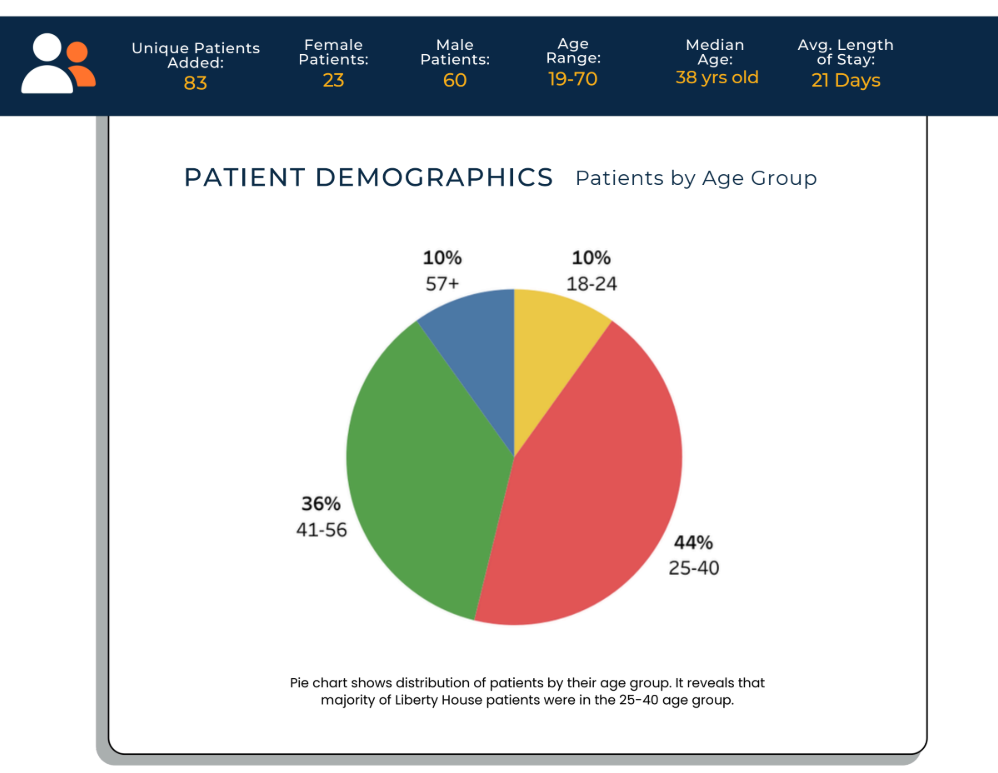
Between January and December 2025, 83 Liberty House clients completed assessments through ERPHealth’s GRO platform: 60 men and 23 women.
Clients ranged in age from 19 to 70, with a median age of 38. Ten percent were between 19 and 24, 44% between 25 and 40, 36% between 41 and 56, and 10% were 57 or older.
The average length of stay was 21 days.
Patient Engagement
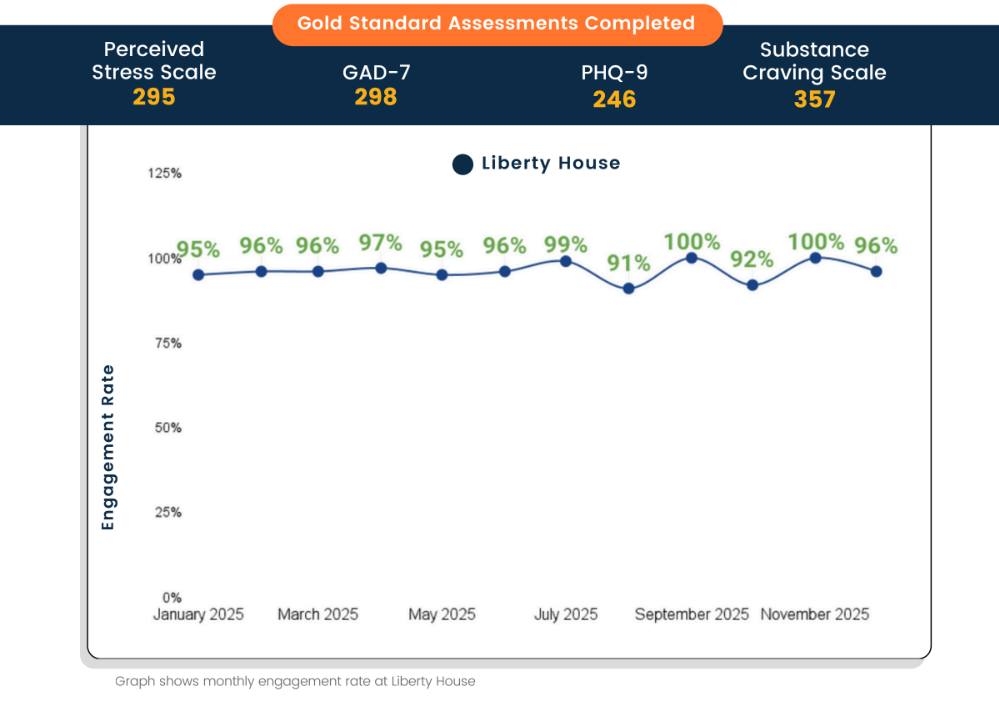
Patient engagement is defined as the percentage of assessments that are completed of the total assigned. ERPHealth’s standard for successful engagement is 70%, and Liberty House achieved an overall engagement rate of 95% with the administration of over 2,000 assessments from Jan-Dec 2025.
The engagement rate ranged from 91%, which was achieved in August 2025 to 100%, which was achieved in Sep and Nov 2025. Liberty House remained above ERPHealth’s standard for successful engagement and above CA competitors in all the months. The 4 assessments administered routinely include the measures: PHQ9, the GAD7, the Perceived Stress Scale, and the Holistic Hexagon.
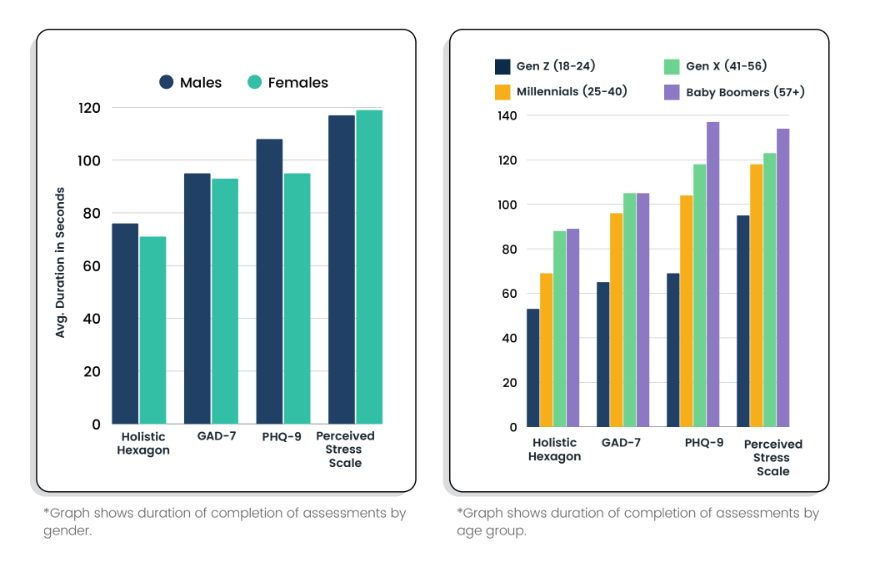
DURATION ANALYSIS
Liberty House patients are completing vital behavioral health assessments in minutes, providing clinicians with the data needed to drive treatment intervention and planning. Because patients complete assessments via ERPHealth’s GRO platform prior to and in preparation for the clinical encounter, valuable face-to-face time is protected, and the patient experience is improved through targeted, data-driven discussion. Treatment is made both more efficient and more effective as providers are able to establish measurement-informed care with color-coded results in the patient profile. Liberty House patients took between 1-2 minutes to complete assessments of depression, anxiety, overall quality of life, and perceived stress. On average, male patients took longer to complete assessments compared to female patients. Patients took more time to complete assessments as age increased – patients over 57 years old took longer to complete measures, with the longest duration to completion just above 2 minutes.
Holistic Hexagon
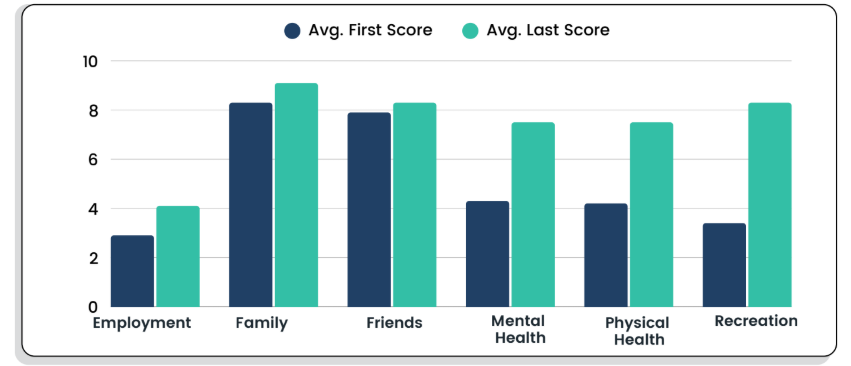
The Holistic Hexagon is a brief measure of quality of life (QoL) that encompasses six key domains: employment, recreation, physical health, mental health, friends, and family. These domains represent all major areas of an individual’s life and are rated on a scale from 1 (very dissatisfied) to 10 (very satisfied).
When considering first and last patient self-report of patient quality of life, Liberty House patients improved, on average, across all the domains.
Total patient average ratings in QoL reveal notable improvement in satisfaction with Recreation (100%) followed by Physical Health (76%), Mental Health (75%), Employment (43%), Family (9%), and Friends (6%).
Change from Avg. First Score to Avg. Last Score (N = 114)
0%
Improvement in
Employment
0%
Improvement in
Family
0%
Improvement in
Friends
0%
Improvement in Mental
Health
0%
Improvement in Physical
Health
0%
Improvement in
Recreation
We're Available For You 24/7
Call us any time, any day, to speak with an addiction specialist and learn about our drug and alcohol addiction treatment center in Redlands in San Bernardino County.
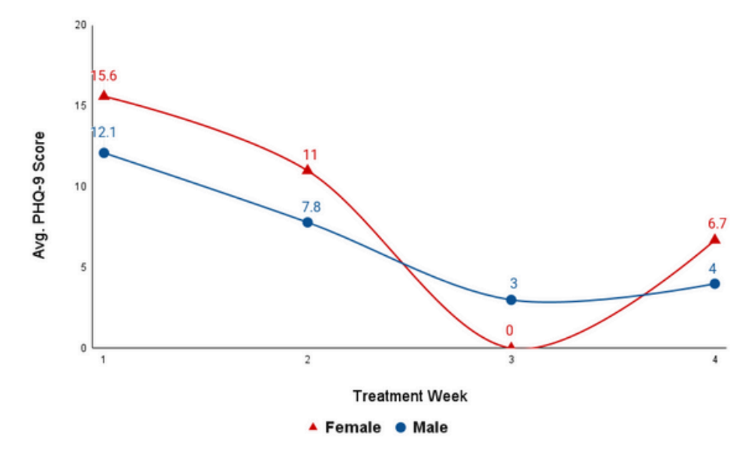
The Patient Health Questionnaire (PHQ9) is a multipurpose instrument used for screening, diagnosing, monitoring, and measuring the severity of depression. Patients rate their experience with various symptoms of depression from 0 (not at all) to 3 (nearly every day) when asked how often those symptoms have been bothersome over the previous 2 weeks. Results can range from “minimal depression” to “severe depression”. Generally, a score in the “moderate depression” range (10-14) or above warrants further evaluation.
Key Findings
Overall, PHQ-9 scores show a decrease in severity of depression and fell from moderately severe to mild range over a 4-week course of treatment. Separating out female and male patients, female patient depression scores reduced by 57% and male patient depression scores decreased by 27%.
Symptom Reduction
DECREASED ANXIETY SEVERITY
Instrument Description
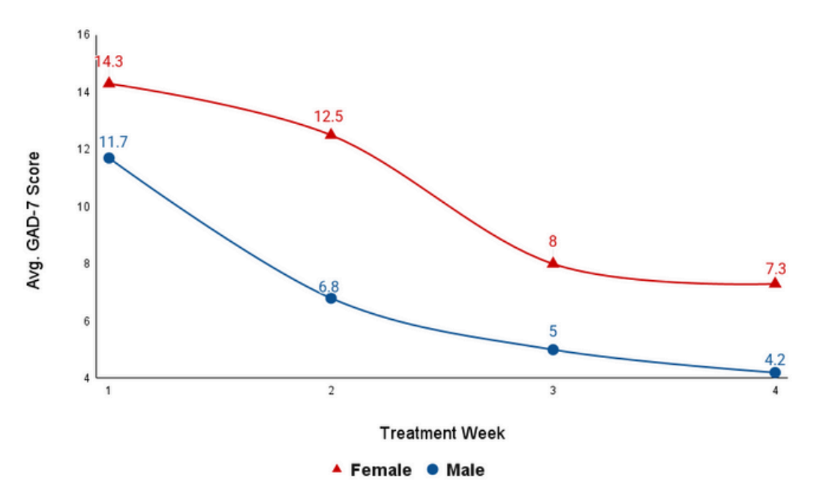
The Generalized Anxiety Disorder scale (GAD-7) is a brief measure for the severity of symptoms of anxiety. Patients are asked to rate their experience with various symptoms of anxiety from 0 (not at all) to 3 (nearly every day) when asked how often these symptoms have been bothersome over the prior 2 weeks. Results can range from “minimal anxiety” to “severe anxiety” and generally a score of 10 or higher, which indicates “moderate” or “severe” anxiety warrants further evaluation.
Key Findings
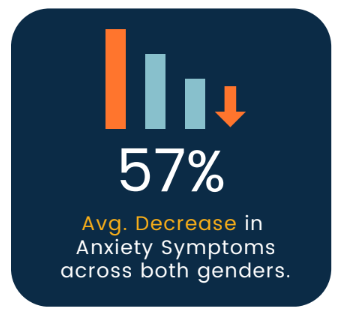
Overall, GAD-7 scores show a decrease in severity of anxiety and fell from moderate to minimal anxiety over a 4-week course of treatment. Separating out female and male patient, female patient anxiety scores decreased by 49% and male patient anxiety scores decreased by 64%.
Symptom Reduction
DECREASED CRAVING SEVERITY
Instrument Description
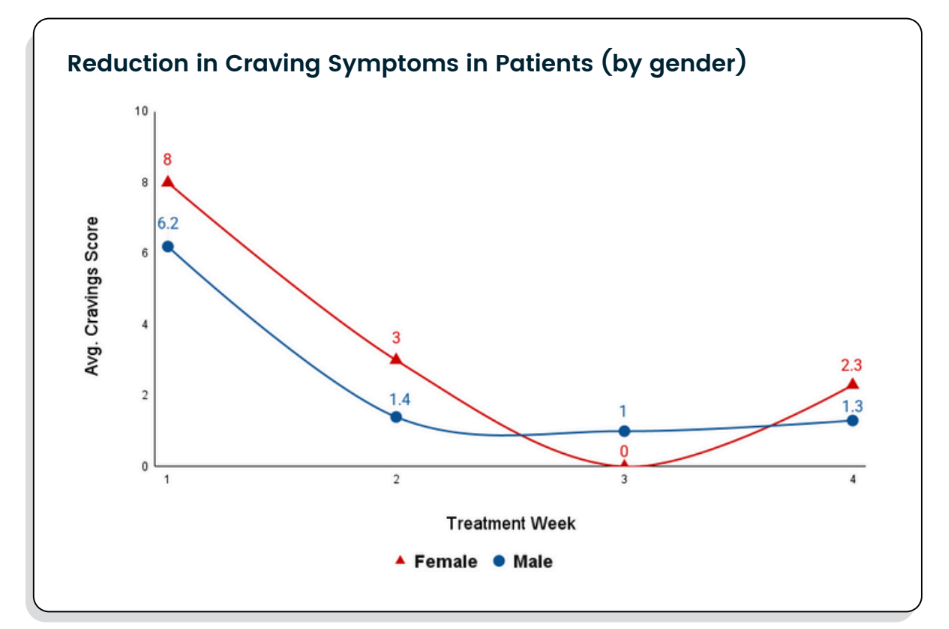
The Brief Substance Craving Scale is a 16-item measure that assesses various substance cravings over a 24-hour period. Intensity and frequency of cravings are recorded on a 5-point scale ranging from 0 (not at all) to 4 (extreme/constant/very long). This measure can be used at intake, during treatment to track progress, and upon follow-up after treatment has been completed to monitor risk.
Key Findings
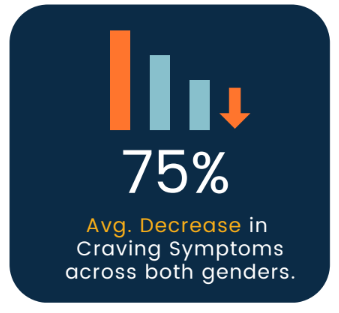
Substance cravings have decreased during the course of treatment in concert with stress, depression, and anxiety. For female patients craving score reduced by 71% and for male patients craving score reduced by 79% moving from extreme to moderate craving range over a 4-week course of treatment.
Symptom Reduction
DECREASED STRESS SEVERITY
Instrument Description
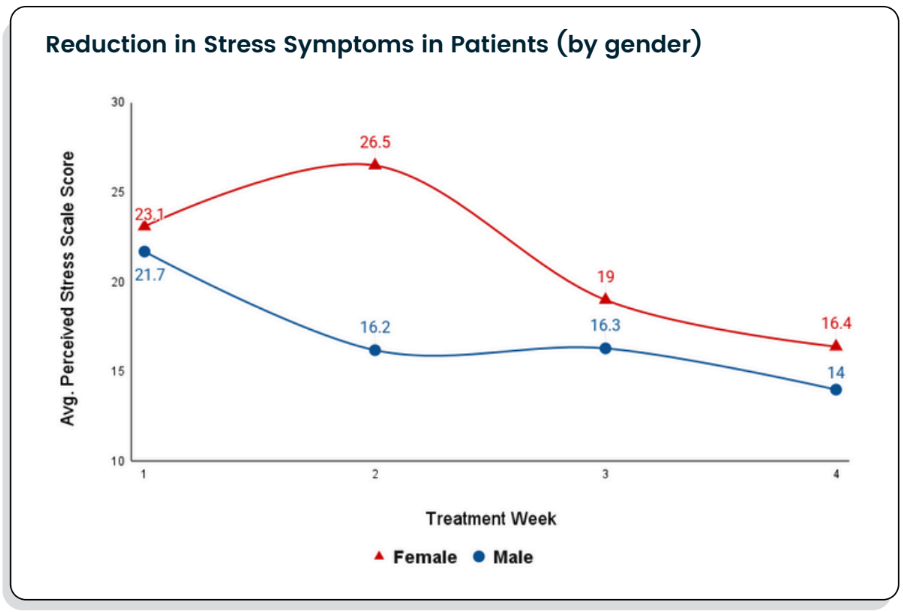
The Perceived Stress Scale (PSS) is a 10-item instrument that helps measure individual levels of stress, including how different situations impact how we feel and how we perceive that stress personally. Patients consider the prior month and rate their experiences with various stressful events on a scale from “=0 (never) to 4 (very often). Results can range from low stress to high perceived stress and scores in the moderate range (14-26) or higher are indicative of the need for further evaluation.
Key Findings
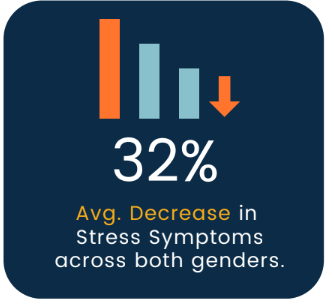
Patient perceived stress scores remained in the moderate range during treatment. While female patient score increased slightly in week 2, it fell by 29% over 4-week course of treatment. Male patient scores reduced by 35% indicating improvement in stress symptoms.
Symptom Analysis
LIBERTY HOUSE GROUP WITH SUICIDAL IDEATION
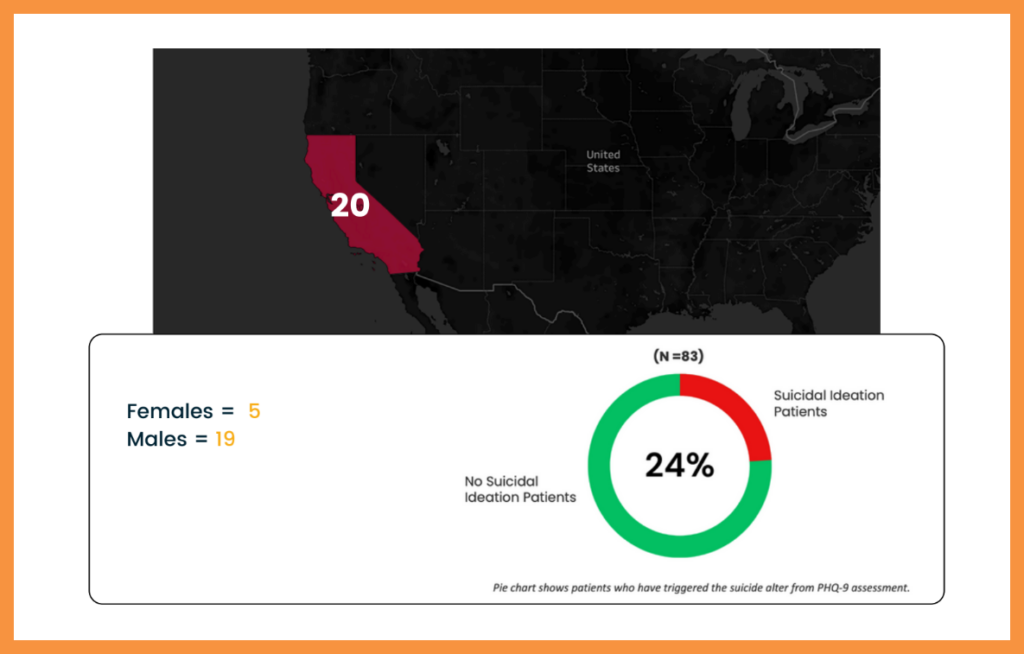
Using ERPHealth’s technology for routine screening, 20 patients, or 24% of the Liberty House patient population, have triggered the Suicide Alert using the ERPHealth platform. 8 patients have triggered the Suicide Alert more than once. Surfacing suicide risk in real time results in saved lives.
Key Findings
Suicidal ideation is more prevalent the first 2-3 times a patient completes the PHQ9 and, on average, during the first 34 days of treatment.