
If you’ve used Delta-9 THC, you might be feeling uneasy about an upcoming drug test. Maybe you’re wondering how long it stays in your system or if it could potentially trigger a positive drug test. These are valid concerns for anyone who has used cannabis products, whether occasionally or regularly. Taking a drug test can be stressful, but knowing what to expect can help ease some of that anxiety.
This blog will answer whether Delta-9 THC can show up on a drug test. We’ll explore how different testing methods work, how long the detection window lasts, and the factors that influence test results. You’ll also learn why relying on professional guidance is critical if substance abuse has become a concern.
 Delta-9 THC, short for delta-9-tetrahydrocannabinol, is the main compound in the cannabis plant that gets you high. It interacts with receptors in your brain and central nervous system, creating its well-known psychoactive effects. People consume Delta-9 THC in several forms, like smoking, vaping, or eating edibles.
While it’s popular for recreational use, many also use it for medical benefits like pain relief or reducing nausea. But keep in mind, the legal status of Delta-9 THC varies.
Regardless of its legality, where you live, consuming Delta-9 THC can trigger a positive drug test.
Delta-9 THC, short for delta-9-tetrahydrocannabinol, is the main compound in the cannabis plant that gets you high. It interacts with receptors in your brain and central nervous system, creating its well-known psychoactive effects. People consume Delta-9 THC in several forms, like smoking, vaping, or eating edibles.
While it’s popular for recreational use, many also use it for medical benefits like pain relief or reducing nausea. But keep in mind, the legal status of Delta-9 THC varies.
Regardless of its legality, where you live, consuming Delta-9 THC can trigger a positive drug test.
 Yes, Delta-9 THC can also be found using saliva tests. For light or occasional users, it might only be detectable for 1-3 days. Frequent users, however, might show THC in their saliva for up to 30 days.
This test type is often used in roadside screenings by law enforcement. It’s a quick and non-invasive way to detect recent Delta-9 THC use, although its effectiveness can depend on the frequency and amount of THC consumed.
Yes, Delta-9 THC can also be found using saliva tests. For light or occasional users, it might only be detectable for 1-3 days. Frequent users, however, might show THC in their saliva for up to 30 days.
This test type is often used in roadside screenings by law enforcement. It’s a quick and non-invasive way to detect recent Delta-9 THC use, although its effectiveness can depend on the frequency and amount of THC consumed.
What is Delta 9 THC?
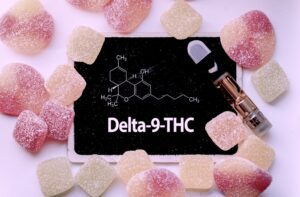
Delta-9 THC, short for delta-9-tetrahydrocannabinol, is the main compound in the cannabis plant that gets you high. It interacts with receptors in your brain and central nervous system, creating its well-known psychoactive effects. People consume Delta-9 THC in several forms, like smoking, vaping, or eating edibles.
While it’s popular for recreational use, many also use it for medical benefits like pain relief or reducing nausea. But keep in mind, the legal status of Delta-9 THC varies.
Regardless of its legality, where you live, consuming Delta-9 THC can trigger a positive drug test.
Does Delta 9 Really Show Up on Tests?
Yes, it does. Standard drug tests are designed specifically to detect THC or its byproducts, called metabolites. These tests can find traces of Delta-9 THC in various parts of your body, depending on the method. Tests commonly use urine samples, saliva, blood, or hair to pinpoint THC use. Your results aren’t just about the test type, though. How often you use cannabis products and how much Delta-9 THC you consume greatly affect whether you’ll fail a drug test.Does Delta 9 THC Show Up on a Urine Test?
Yes, urine tests are by far the most common type of drug screening. They can detect THC metabolites even days after use. For someone who has used Delta-9 THC once or twice, these metabolites might be gone within 2-3 days. For frequent users, though, the detection window can stretch to 30 days or more. Employers and organizations use urine tests because they’re affordable and reliable. If Delta-9 THC is still in your system, you’ll likely trigger a positive drug test during this type of screening.Does Delta 9 THC Show Up on a Blood Test?
Blood tests aren’t as common, but they’re more accurate than urine tests for detecting recent use. Delta-9 THC itself and not just its byproducts can be found in your blood within hours of consumption. For occasional users, it might clear out within 1-2 days. However, chronic users face a longer detection window, sometimes up to a month. Although this method is less common, it’s typically used in medical or legal cases where precision is essential.Does Delta 9 THC Show Up on a Saliva Test?
 Yes, Delta-9 THC can also be found using saliva tests. For light or occasional users, it might only be detectable for 1-3 days. Frequent users, however, might show THC in their saliva for up to 30 days.
This test type is often used in roadside screenings by law enforcement. It’s a quick and non-invasive way to detect recent Delta-9 THC use, although its effectiveness can depend on the frequency and amount of THC consumed.
Yes, Delta-9 THC can also be found using saliva tests. For light or occasional users, it might only be detectable for 1-3 days. Frequent users, however, might show THC in their saliva for up to 30 days.
This test type is often used in roadside screenings by law enforcement. It’s a quick and non-invasive way to detect recent Delta-9 THC use, although its effectiveness can depend on the frequency and amount of THC consumed.