
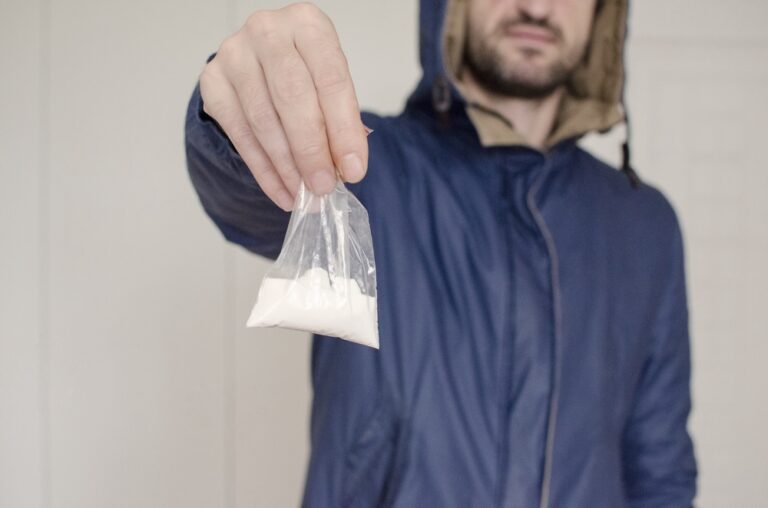
Heroin Street Names and Slang Terms
Buying and selling drugs on the streets is often done under the radar, and those involved in the
Sorry we do not accept Medi-Cal
 Authored by:Patt Ochoa – CADC III
 Medically reviewed by:Monica Ferreri – LMFT
If you are looking into fentanyl detox in California for yourself or someone you care about, you probably already know that stopping on your own rarely goes the way people describe. Many people find that withdrawal kicks in later than expected and lingers well past the few days they were promised. Liberty House Recovery in Redlands, California offers a safe, medically supervised space to help you get through these tough physical days. This guide explains why fentanyl affects the body the way it does, what genuine medical support looks like, and how our home can set you up for lasting relief.
Anyone who has tried quitting fentanyl after regular use knows that it does not follow the old rules for opioid withdrawal. Unlike older opioids such as heroin or morphine, fentanyl dissolves easily in fat tissue. When someone uses it regularly, the substance gradually stores up in those fat deposits and slowly trickles back out into the bloodstream long after the last use. This unique physical trait is why withdrawal often starts later and can last much longer than the three or four days people might expect.
If you have ever felt blindsided because you were still feeling sick a week into trying to stop, you are not alone. Scientific reviews on how synthetic opioids break down in the body explain why physical symptoms can stretch out unpredictably. Because everyone has a different body composition and metabolism, withdrawal length varies from person to person. That is why anyone looking for a fentanyl detox in the Inland Empire needs a care team that listens to how you actually feel rather than sticking to a rigid calendar.

Liberty House aims to be a place of personal growth and health. Our hope is that through our drug and alcohol addiction treatment programs, we can support recovery and healing no matter what disorder you’re facing. Contact us to learn more about how we can tailor an addiction treatment program for you at our rehabilitation center in California.
Early fentanyl withdrawal usually starts with restless energy, cold sweats, body aches, and trouble sleeping. As things progress, stomach cramps, nausea, vomiting, and diarrhea often set in. The clinical practice guidelines from ASAM describe a typical course for short-acting opioids: symptoms begin about 8 to 12 hours after last use, peak at 48 to 72 hours, and ease over 7 to 10 days. Fentanyl withdrawal may not follow that pattern and can start later and last longer.
To help you understand what you might experience, here is a breakdown of the common symptoms of opioid withdrawal at each stage:
| Phase | Typical Timing (Short-Acting Opioids) | Common Symptoms |
|---|---|---|
| Early | About 8 to 12 hours after last use | Restlessness, heavy sweating, chills, runny nose, and growing anxiety as active levels fall. |
| Peak | 48 to 72 hours | Deep abdominal cramps, persistent nausea, vomiting, diarrhea, intense body aches, and strong cravings. |
| Lingering | 7 to 10 days, though some symptoms last for weeks | Stomach symptoms and body aches begin to ease, though sleep problems, low energy, and uneven mood can linger for weeks. |
Persistent vomiting and diarrhea bring real risks of dehydration and mineral imbalances, which is why having trained medical staff nearby is so important. Lingering fatigue and trouble sleeping during early recovery are completely normal parts of the brain finding its balance again, not signs that your progress has stalled.
Starting buprenorphine too early while fentanyl is still clinging to the brain’s receptors can suddenly knock the drug loose and trigger severe, instant sickness. This sudden wave of acute distress is known as precipitated withdrawal. Because fentanyl clears out of body fat so slowly, pinpointing the safe moment to begin helpful medications requires careful clinical evaluation.
If you ever took Suboxone at home and suddenly felt much sicker, that experience has a medical name and an explanation. Medical teams treat this as a recognized, manageable risk by watching your symptoms closely before introducing any medications. In fact, a NIDA-supported study of buprenorphine starts in emergency departments found precipitated withdrawal in fewer than 1% of 1,200 participants, even though about 70% of them used fentanyl. At Liberty House, medical staff decide what medications a client receives and when.
Fentanyl sold on the street can contain sedatives that are not opioids, including the veterinary drugs xylazine and medetomidine. These sedatives bring their own withdrawal symptoms, and naloxone does not reverse their effects. Medetomidine is still rare in California, but state health officials report that small amounts have been detected in the Inland Empire, Los Angeles, San Diego, and San Francisco.
Even though naloxone does not reverse sedatives like xylazine, you should always give it during any suspected overdose because opioids are almost always in the mix. In April 2026, the CDC warned that stopping medetomidine can cause a fast heart rate, severe high blood pressure, and vomiting that won’t stop, and that this withdrawal can require emergency or intensive care. California public health officials describe the same risks. Telling our intake team about everything you have taken, including pills bought outside a pharmacy, helps the medical team plan safe care for opioid detox in Redlands.
Medical detox for fentanyl at Liberty House Recovery provides 24-hour observation and medication to ease symptoms and cravings so you never have to face this alone. Our home cares for a maximum of eight clients at a time, with two people per bedroom, in a quiet house with a small team of staff.
To protect your peace of mind and give your nervous system room to settle, you will make one safe-arrival call to family upon arrival, after which outside phone calls pause until the acute detox phase wraps up. This temporary break lets you rest without outside pressure or distractions. Between rest periods, you can relax in a quiet room, spend time in our garden, and talk with staff who know you personally.
Your physical tolerance drops sharply after only a few days without opioids, meaning an amount you used regularly before detox can easily cause a fatal overdose afterward. This rapid drop in tolerance makes walking away from detox without a follow-up plan one of the most dangerous times in recovery.
Federal overdose prevention guidelines strongly encourage families to keep naloxone on hand at home. Thanks to approvals for over-the-counter naloxone, you can pick up this life-saving nasal spray at local pharmacies across California without a prescription. If you ever suspect someone is overdosing, call 911 immediately for emergency medical help, or reach out to the 988 Suicide & Crisis Lifeline by calling or texting 988 for free, confidential crisis support.
Medical detox helps you get through withdrawal safely, but the American Society of Addiction Medicine (ASAM) states that withdrawal management on its own does not treat opioid use disorder. Leaving treatment right after detox leaves you vulnerable to cravings, old routines, and the dangerous overdose risks tied to reduced tolerance.
Evidence-based medications like buprenorphine, methadone, and naltrexone help support long-term recovery when combined with regular therapy. At Liberty House, clients step directly from detox into residential treatment in the same Redlands home for 30 to 90 days, depending on insurance benefits and personal budgets. We also provide integrated dual diagnosis care for co-occurring mental health conditions as part of complete fentanyl addiction treatment in California that residents can rely on. Once residential care wraps up, every client receives referrals to an intensive outpatient program (IOP) or partial hospitalization program (PHP) back home, supported by alumni check-in calls that run weekly for the first month, every other week in the second month, and monthly through six months.
Deciding to get help is a brave first step, and having a realistic idea of what your first week looks like makes the process much less intimidating. When you reach out to our team, we will walk you through what to expect, answer your questions, and verify your insurance coverage confidentially with no cost or obligation. Liberty House is a small residential home, and some areas of the house may not be accessible for everyone. If you or your loved one has mobility or accessibility needs, please let us know when you call so we can talk through whether the house is the right fit. You can explore our verified client outcomes to see how our care supports lasting sobriety, or connect with us today to start your recovery in Redlands.

A typical stay for fentanyl detox at Liberty House runs 5 to 7 days, though acute symptoms may persist longer depending on individual metabolism and usage history. Our clinical team assesses your physical stabilization continuously rather than relying on a rigid discharge date.
Detoxing from fentanyl at home carries serious risks of severe dehydration, intense physical distress, and fatal overdose due to rapid drops in opioid tolerance. We strongly encourage medically supervised care where staff can monitor vital signs; if you face an immediate medical crisis, call 911 or reach out to 988.
Yes, clients receive carefully evaluated medications to ease symptoms and cravings throughout withdrawal based on their initial medical assessment. Our medical team manages all medication protocols directly to ensure maximum safety and comfort.
After completing medical detox, clients move straight into residential treatment in the same Redlands home for 30 to 90 days of structured therapy. Upon discharge, our case manager coordinates a referral to a partial hospitalization program (PHP) or intensive outpatient program (IOP).
Clients make one safe arrival call to family upon reaching the house, after which phone calls pause during acute detox to allow uninterrupted physical rest. Scheduled daily phone calls resume as soon as residential treatment begins.
Liberty House works with many major insurance plans to help cover the costs of medical detox and residential care. Our admissions team provides free, confidential insurance verification to clarify your benefits before admission.
Buying and selling drugs on the streets is often done under the radar, and those involved in the
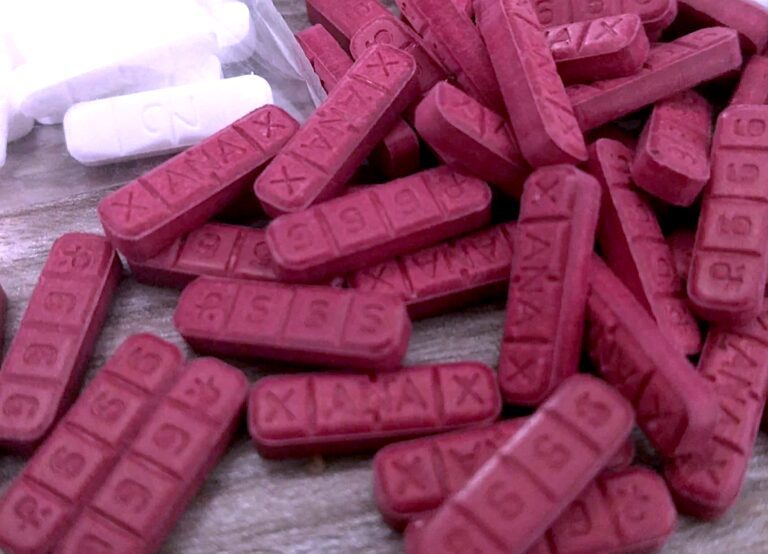
Xanax, a branded anti-anxiety pill of the generic drug alprazolam, has gained much notoriety in recent years. Taking

Prescription drug addiction is a serious issue that can affect anyone, regardless of age, gender, or background. For
| Authored By: Patt Ochoa – CADC III Patt Ochoa is a Certified Alcohol and Drug Counselor III (CADC III) passionate about helping people recover from addiction. His personal experience with addiction and his journey to recovery led him to pursue a career in counseling. Patt started by creating a Recovery Component for a sober high school and focused on treating the whole family to ensure a successful recovery. |



































Fill out the form below to receive a prompt callback from a member of our compassionate and experienced admissions team.
"*" indicates required fields